
Expert Tips for Enhancing Quality of Life with In-Home Care
KP
Understanding In-Home Care
In-home care is a valuable service that allows individuals to receive personalized care while remaining in the comfort of their own homes. This type of care can greatly enhance the quality of life for those who need assistance with daily activities, whether due to age, illness, or disability. It is crucial to understand the various aspects of in-home care to make informed decisions for yourself or a loved one.

Personalizing Care Plans
One of the primary benefits of in-home care is the ability to tailor care plans to meet individual needs. A personalized care plan ensures that the services provided are specific and relevant to the person receiving care. This personalization can include assistance with daily tasks, medical support, and social interaction.
To create an effective care plan, it is essential to assess the individual's physical, emotional, and social needs. Regular evaluations and adjustments can help maintain an optimal level of care. Engaging with healthcare professionals and family members in this process can lead to a more comprehensive understanding of the needs involved.
Choosing the Right Caregiver
Choosing the right caregiver is crucial for the success of in-home care. A caregiver should not only be skilled and experienced but also compassionate and understanding. Establishing a good rapport between the caregiver and the individual receiving care can lead to better outcomes.

It is advisable to conduct interviews and background checks before making a decision. Involving the person who will receive care in the selection process can also ensure that they feel comfortable and secure with their caregiver.
Enhancing Quality of Life Through Activities
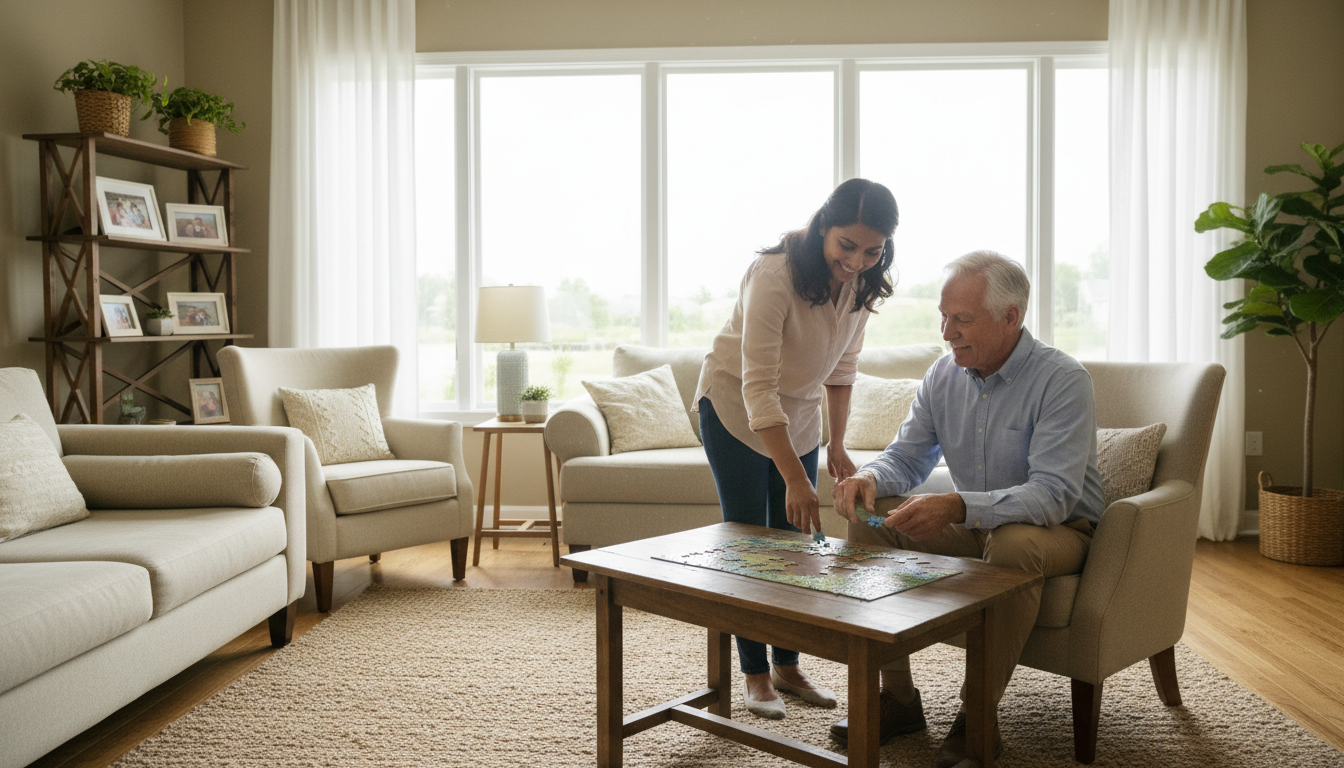
Engaging in meaningful activities is an essential part of enhancing the quality of life. In-home care can include a range of activities tailored to the individual's interests and abilities. Activities such as arts and crafts, gardening, and light exercise can provide physical and mental stimulation.
- Encouraging hobbies and interests
- Facilitating social interactions
- Incorporating physical activities
Ensuring Safety and Comfort
Safety and comfort are paramount in in-home care. This involves creating a safe living environment that minimizes the risk of accidents and ensures ease of movement. Caregivers can assist in making necessary modifications, such as installing grab bars or rearranging furniture to prevent falls.
Regularly reviewing safety measures and making adjustments as needed can provide peace of mind for both the individual receiving care and their family members.
Monitoring Health and Well-being
Consistent monitoring of health and well-being is a critical component of in-home care. This includes keeping track of medical appointments, managing medications, and observing any changes in health status. Caregivers can play a vital role in communicating with healthcare providers and providing updates to family members.
By ensuring continuous monitoring, potential health issues can be addressed promptly, leading to better overall health outcomes.
Building a Support Network
In-home care is most effective when there is a strong support network in place. This network can include family, friends, healthcare professionals, and community resources. Building a support network can provide emotional support, respite care, and additional resources when needed.
Encouraging open communication and collaboration among all parties involved can lead to a more cohesive and supportive care environment.

Conclusion
Enhancing the quality of life through in-home care involves a combination of personalized care plans, the right caregivers, meaningful activities, and strong support networks. By focusing on these key areas, individuals can enjoy a more fulfilling and comfortable life in the comfort of their homes. Remember, the goal of in-home care is not just to provide assistance but to enrich the lives of those receiving care.