
Fall Prevention Tips for Seniors During Winter: A Comprehensive Guide
KP
Understanding the Risks
As the winter months approach, it's crucial to recognize the increased risk of falls among seniors. Snow and ice can create slippery surfaces, while shorter daylight hours can affect visibility. Understanding these risks is the first step in prevention. Awareness can lead to proactive measures that ensure safety.

Home Safety Tips
Ensuring the home environment is safe is essential for fall prevention. Start by examining floors for hazards such as loose rugs or clutter. Installing grab bars in bathrooms and using non-slip mats can significantly reduce the risk of falls. Additionally, make sure all areas are well-lit to improve visibility.
Outdoor Precautions
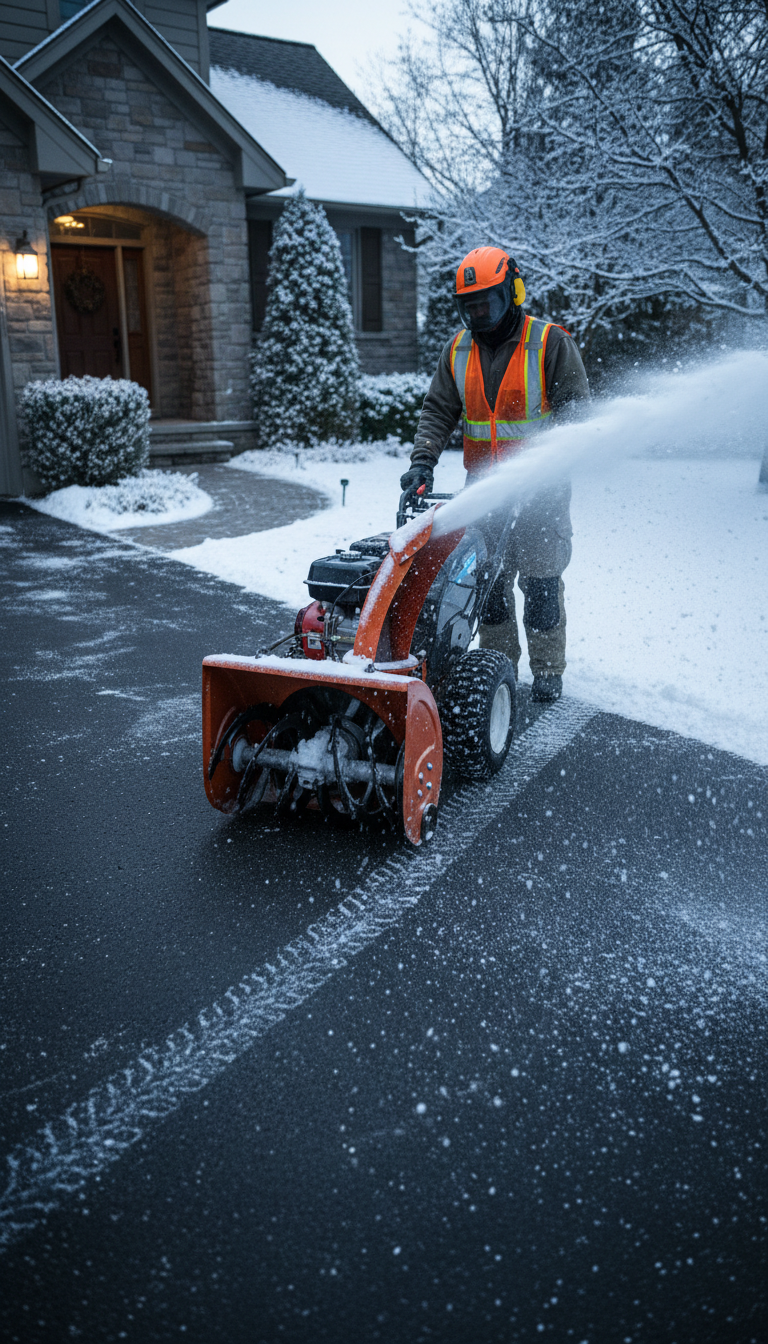
When venturing outside, it's important to dress appropriately. Wearing shoes with proper traction can prevent slips on icy surfaces. Keep walkways clear of snow and ice, and consider using salt or sand to provide extra grip. Plan outings during daylight hours when possible.
Exercise for Stability
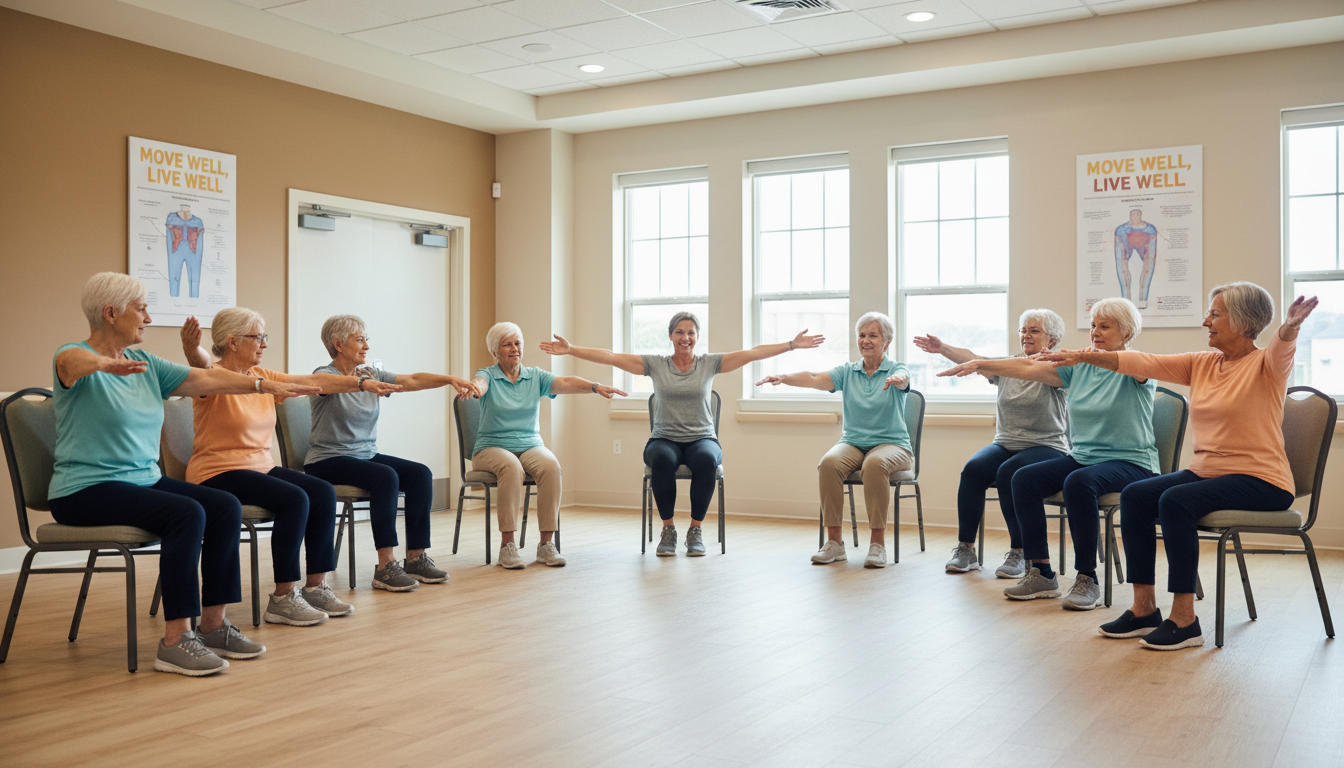
Regular exercise is vital for maintaining strength and balance, which are key factors in fall prevention. Activities such as tai chi, yoga, or simple stretching can enhance flexibility and stability. Consult with a healthcare provider to design a safe and effective exercise routine tailored to individual needs.
Use of Assistive Devices
For those who need additional support, using assistive devices like canes or walkers can offer stability while walking. Ensure these devices are in good condition and properly adjusted to the user's height. Don't hesitate to seek advice from a physical therapist for optimal use.
Health Check-Ups
Regular health check-ups can identify issues that may contribute to falls, such as vision problems or medication side effects. Schedule appointments with healthcare providers to ensure all health aspects are monitored and managed effectively. Medication reviews can prevent dizziness or drowsiness, reducing fall risk.
Community Resources
Many communities offer resources and programs to help seniors stay safe and active during winter. Look for local senior centers that provide exercise classes or social activities, which can enhance physical and mental well-being. Engaging with community resources can provide additional support and information.

Emergency Preparedness
Despite all precautions, accidents can happen. It's important to have an emergency plan in place. Ensure that seniors have a way to call for help, such as a mobile phone or personal alarm system. Family members or neighbors should be aware of the plan to provide assistance if needed.
By taking proactive steps and staying informed, seniors can safely navigate the winter months, reducing the risk of falls and maintaining independence and quality of life.