
How to Choose a Reliable Home Caregiver in California: A Step-by-Step Guide
KP
Understanding Your Needs
Choosing a reliable home caregiver in California starts with understanding your specific needs. Are you looking for someone to assist with daily activities, or do you require specialized medical care? Clearly defining your requirements will help you narrow down your options and find a caregiver who is well-suited to your situation.

Researching Potential Caregivers
Once you've identified your needs, begin researching potential caregivers. Use online resources, such as caregiver directories and local agencies, to compile a list of candidates. Pay attention to reviews and ratings to gauge the satisfaction of previous clients. Additionally, consider seeking recommendations from friends or healthcare professionals.
Evaluating Credentials and Experience
When evaluating potential caregivers, it's crucial to check their credentials and experience. Ensure they have the necessary certifications and licenses required by California state regulations. Experience in handling similar cases to yours is also an important factor to consider, as it indicates familiarity and competence.

Conducting Interviews
Conducting interviews is a vital step in selecting a caregiver. Prepare a list of questions that cover their experience, approach to caregiving, and availability. During the interview, observe their communication skills and empathy. These qualities are essential for building a trusting relationship with the caregiver.
Checking References and Background
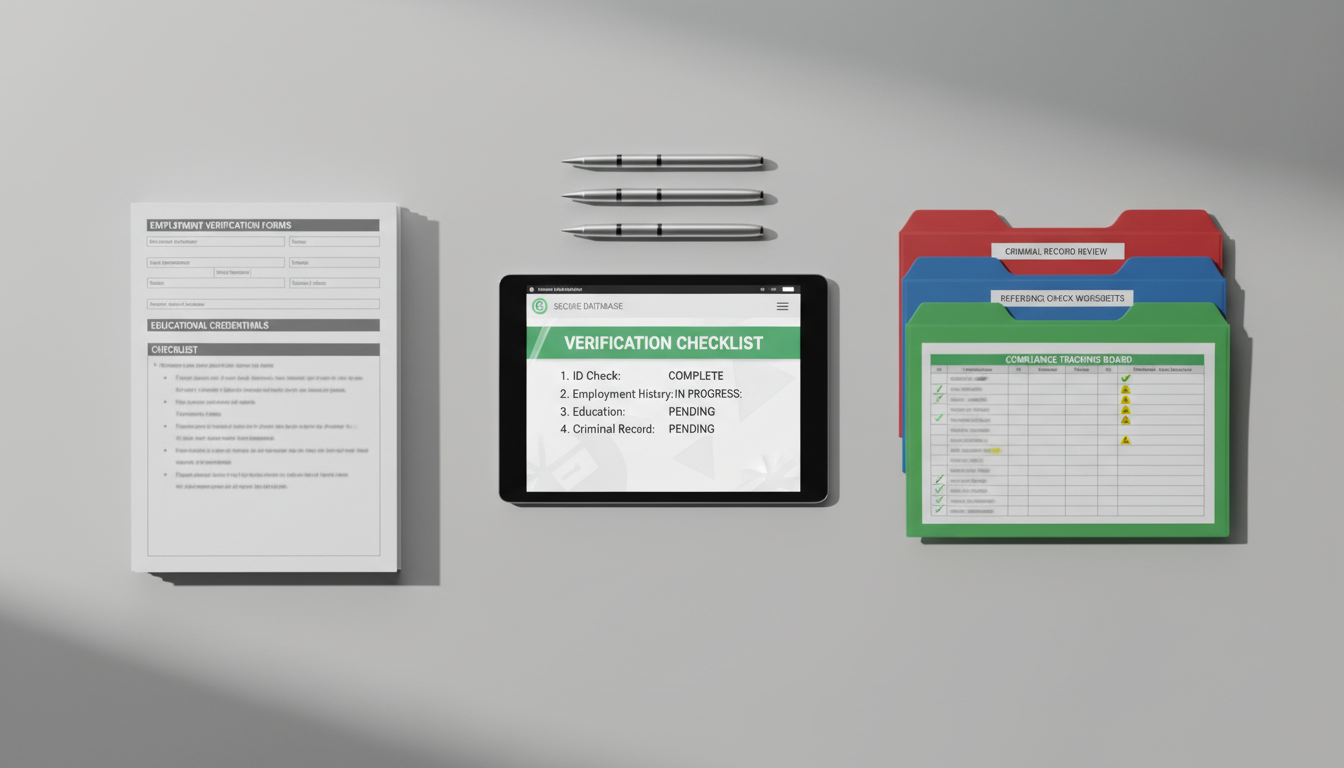
Before making a decision, always check the references and background of your shortlisted candidates. Contact their previous employers or clients to inquire about their performance and reliability. Additionally, perform a background check to ensure there are no red flags that could impact their ability to provide care.
Understanding Legal and Financial Aspects
It's important to understand the legal and financial aspects of hiring a caregiver. This includes discussing payment terms, insurance coverage, and employment contracts. Make sure everything is clearly outlined in writing to avoid any misunderstandings in the future.
Trial Period and Ongoing Evaluation
Once you've chosen a caregiver, consider starting with a trial period to assess compatibility. This period allows both parties to ensure that the arrangement works well. During this time, provide feedback and communicate openly to address any issues or concerns.
Building a Strong Relationship
Finally, building a strong relationship with your caregiver is crucial for long-term success. Foster an environment of trust and respect by maintaining open communication and showing appreciation for their efforts. A positive relationship can significantly enhance the quality of care provided.