Preventing Falls in Seniors: Key to a Longer, Healthier Life
KP
Aging gracefully involves not only cherishing memories but also ensuring safety in daily activities. One significant concern for seniors is the risk of falls, which can lead to serious injuries and impact their quality of life. By taking preventative measures, we can help our loved ones lead longer, healthier lives.
More than 1 in 4 adults aged 65 and older falls each year in the United States. Falling once doubles the likelihood of falling again. The death rate from falls among adults over age of 85 has risen substantially over the past two decades. Serious injuries from falls (e.g., hip fractures or traumatic brain injuries) can lead to prolonged disability, loss of independence, and increased risk of long-term health decline.
Understanding the Risks
Falls are the leading cause of injury among seniors. Various factors contribute to the increased risk, including muscle weakness, balance issues, and certain medications. By recognizing and addressing these risks, we can take proactive steps to prevent falls.
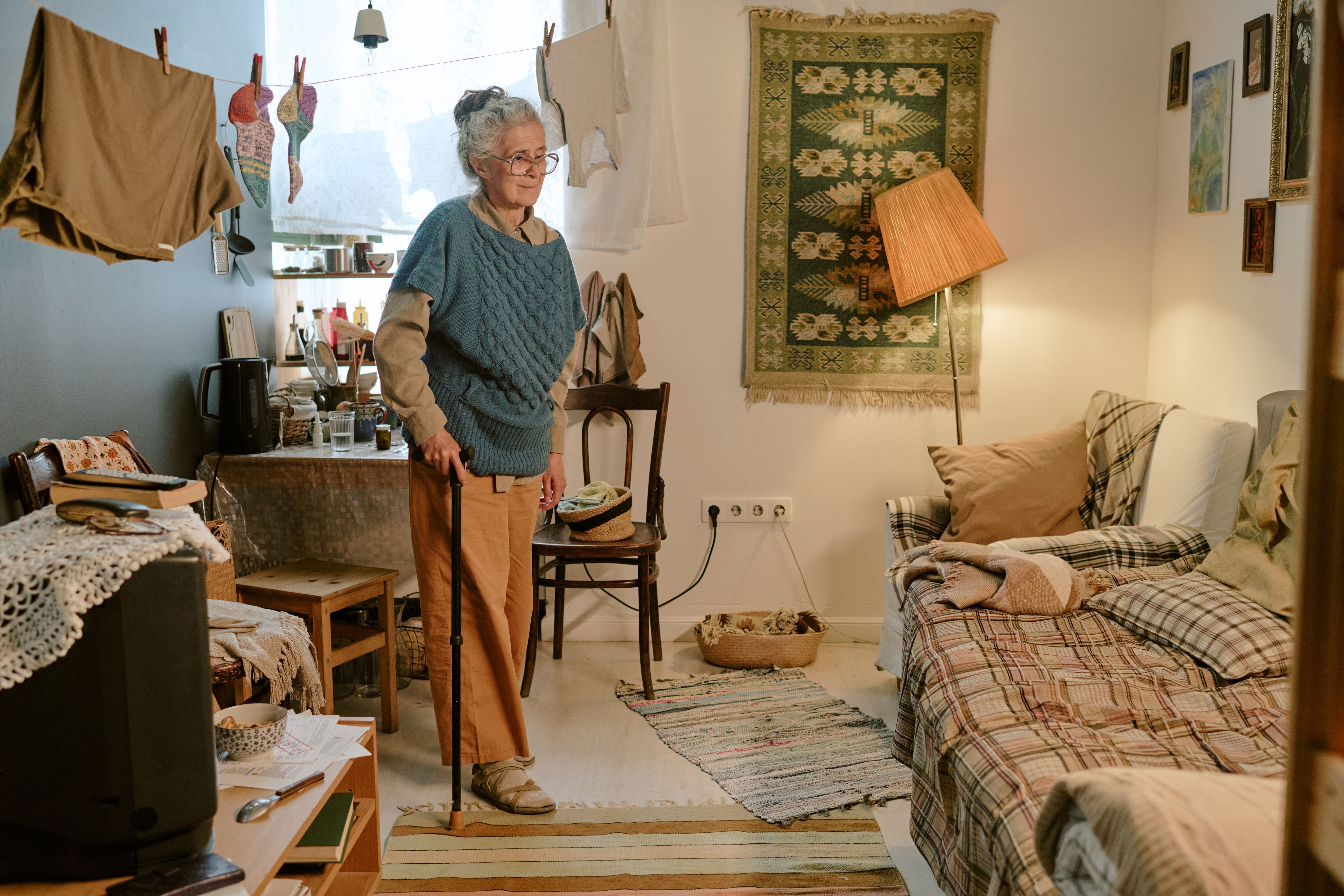
Environmental factors also play a vital role. Tripping hazards like loose rugs, poor lighting, and cluttered pathways can increase the likelihood of a fall. It is essential to assess and modify living spaces to create a safer environment.
Cognitive decline is a major risk aswell. It can impair reasoning, risk assessment, and judgment, increasing the risk of injury during everyday activities such as walking, stepping up or down, bathing, getting in or out of bed, leaning forward or backward, and maintaining proper positioning.
Home Modifications for Safety
Making simple changes at home can significantly reduce the risk of falls. Consider installing grab bars in the bathroom, especially near the toilet and in the shower. Non-slip mats can provide additional safety in wet areas.
- Ensure adequate lighting in all rooms and hallways.
- Remove or secure loose rugs and cords.
- Arrange furniture to allow clear pathways.
These modifications not only enhance safety but also allow seniors to maintain their independence with confidence.
Encouraging Physical Activity
Regular exercise is crucial for maintaining strength and balance, both of which are key to preventing falls. Encourage activities such as walking, tai chi, or yoga that promote flexibility and coordination.
Strengthening exercises can be particularly beneficial. Focus on building muscle strength in the legs and core, as these areas are essential for stability and mobility.

Regular Health Check-ups
Frequent health assessments can identify underlying issues that may contribute to falls. Vision and hearing tests are important, as impairments in these areas can affect balance and spatial awareness.
Discuss any medications with a healthcare provider, as some prescriptions may cause dizziness or drowsiness, increasing fall risk. Adjusting dosages or switching medications can often mitigate these side effects.
Promoting Awareness and Education
Education plays a critical role in fall prevention. Workshops and seminars can inform seniors and their families about the importance of safety measures and how to implement them effectively.
Encourage open communication about any fears or previous falls. This dialogue can lead to personalized strategies that address specific concerns and promote a sense of security.

By focusing on these preventative measures, we can help create a safer environment for seniors, allowing them to enjoy their golden years with peace of mind and reduced risk of falls. Together, we can support their journey towards a longer, healthier life.
The Role of Home Care in Reducing Falls Among Seniors
Most senior falls occur at home during routine activities such as walking, bathing, or getting in and out of bed, and many are linked to reduced balance, strength, reaction time, or judgment. Studies show that home-based interventions, such as mobility assistance, supervision during high-risk activities, and home hazard awareness can reduce fall rates by up to 30–40% among high-risk older adults. In-home care helps by providing hands-on support during daily movements, reducing unsafe independent actions, and identifying early signs of instability before a fall occurs. Just as importantly, when a fall does happen, the presence of a caregiver enables immediate response, reducing time on the floor, preventing secondary complications such as hypothermia or dehydration, and ensuring timely medical attention. This combination of prevention and rapid response makes in-home care a critical layer of protection for seniors at risk of falls.
Contact Us to learn how Acorn Home Care can provide the necessary support and attention to help your loved one prevent falls or reduce the risk of future falls.