Understanding Condition-Led Care in Home Care Services
Ud
Introduction to Condition-Led Care
Condition-led care is an approach within home care services that focuses on providing tailored support to individuals with specific health conditions. This method acknowledges the unique needs and challenges faced by those living with chronic illnesses or disabilities, ensuring they receive the most suitable care for their circumstances.
By understanding the specific requirements of different conditions, caregivers can deliver more effective and personalized assistance, enhancing the quality of life for those they support. This approach is particularly beneficial for individuals with complex or long-term health issues.
The Importance of Personalized Care Plans
A key component of condition-led care is the development of personalized care plans. These plans are designed to address the unique needs of each individual, factoring in their medical history, lifestyle, and personal preferences. This ensures that care is not only effective but also respects the dignity and autonomy of the individual.
Acorn Home Care's Personalized care plans often involve collaboration between healthcare professionals, the individual, and their family members. This collaborative approach ensures that all aspects of the person's condition are considered, allowing for comprehensive and coordinated care.
Benefits of Personalized Care Plans
- Improved health outcomes
- Enhanced quality of life
- Greater independence
- Reduced hospital admissions
Role of Specialized Training
Another critical aspect of condition-led care is the specialized training that caregivers receive. This training equips them with the knowledge and skills necessary to provide effective support for specific conditions. Whether it's managing symptoms, administering medication, or providing emotional support, specialized training ensures that caregivers are well-prepared for their roles.
Such training not only empowers caregivers but also instills confidence in the individuals receiving care, knowing they are in capable hands. This is particularly important for conditions that require specialized interventions or monitoring.
Technology and Condition-Led Care
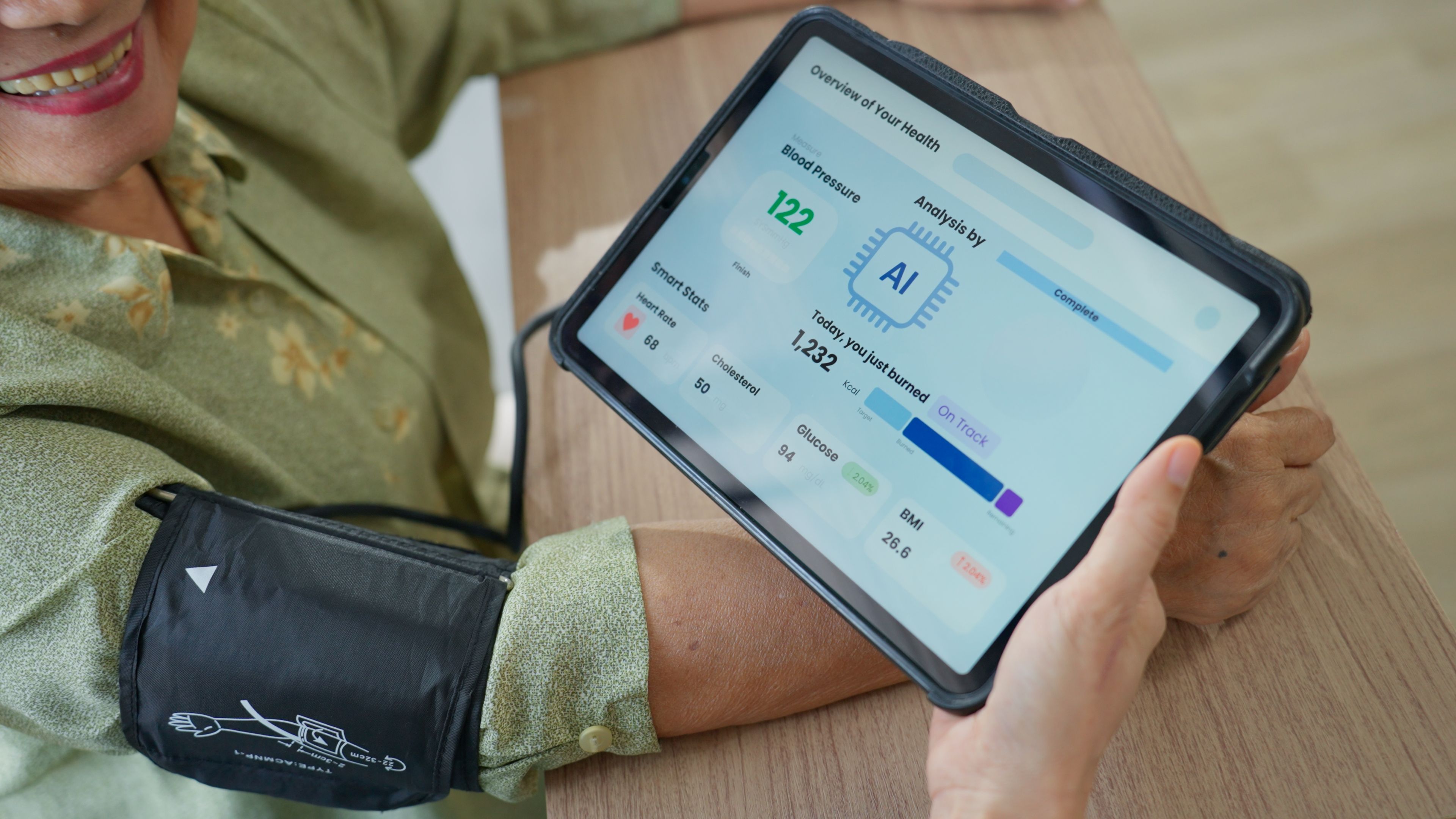
Technology plays a significant role in enhancing condition-led care. From telehealth services to wearable health monitoring devices, technology can provide valuable support to both caregivers and individuals receiving care. These tools allow for real-time monitoring and can alert caregivers to any changes in the individual's condition, ensuring timely interventions.
Moreover, technology can facilitate communication between caregivers, healthcare professionals, and family members, promoting a team-based approach to care. This connectivity ensures that everyone involved in the care process is informed and engaged.
Examples of Technology in Use
- Remote health monitoring devices
- Telehealth platforms
- Care management software
Conclusion
Understanding condition-led care is essential for anyone involved in home care services. By focusing on the specific needs of individuals with chronic or complex conditions, this approach ensures that care is both effective and compassionate. With personalized care plans, specialized training, and the integration of technology, condition-led care stands out as a comprehensive and humane approach to home care.
As the demand for home care services continues to grow, embracing condition-led care can lead to better outcomes and improved experiences for all involved. It represents a thoughtful and progressive step forward in the field of home healthcare.
Contact Acorn Home Care to get yours now for free, call 858-800-2272