
Winter Safety Checklist: Keeping Seniors Safe at Home
KP
Preparing the Home Environment
As winter approaches, ensuring the safety of seniors at home becomes a top priority. Cold weather can pose unique risks, but with some proactive measures, these can be mitigated. Start by inspecting the home for any potential hazards. Look for uneven floors, loose rugs, and ensure that all walkways are clear and well-lit.
Install grab bars in the bathroom, especially near the toilet and shower, to provide additional support. Make sure that all cords and wires are tucked away to prevent tripping. It’s also wise to keep a flashlight and extra batteries handy in case of a power outage.
Heating and Insulation
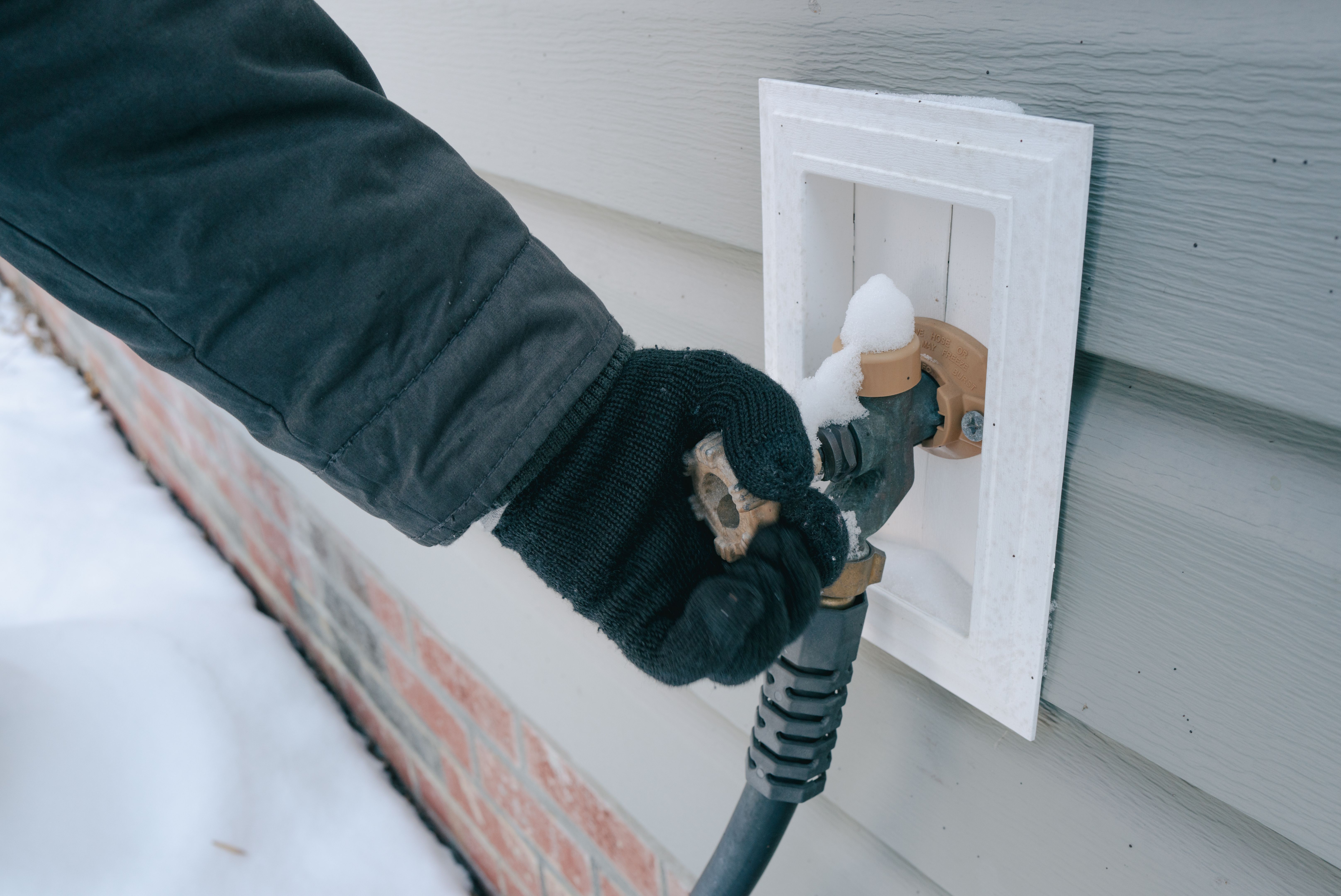
Maintaining a warm home is crucial during the winter months. Ensure that the heating system is serviced and functioning properly. Check that insulation is adequate to keep the cold air out and the warm air in. Use draft stoppers on doors and windows to prevent cold drafts.
Space heaters can be useful but should be used with caution. Keep them away from flammable materials and never leave them unattended. It's important to have carbon monoxide detectors installed, as they can alert to dangerous levels of this invisible gas.
Clothing and Footwear
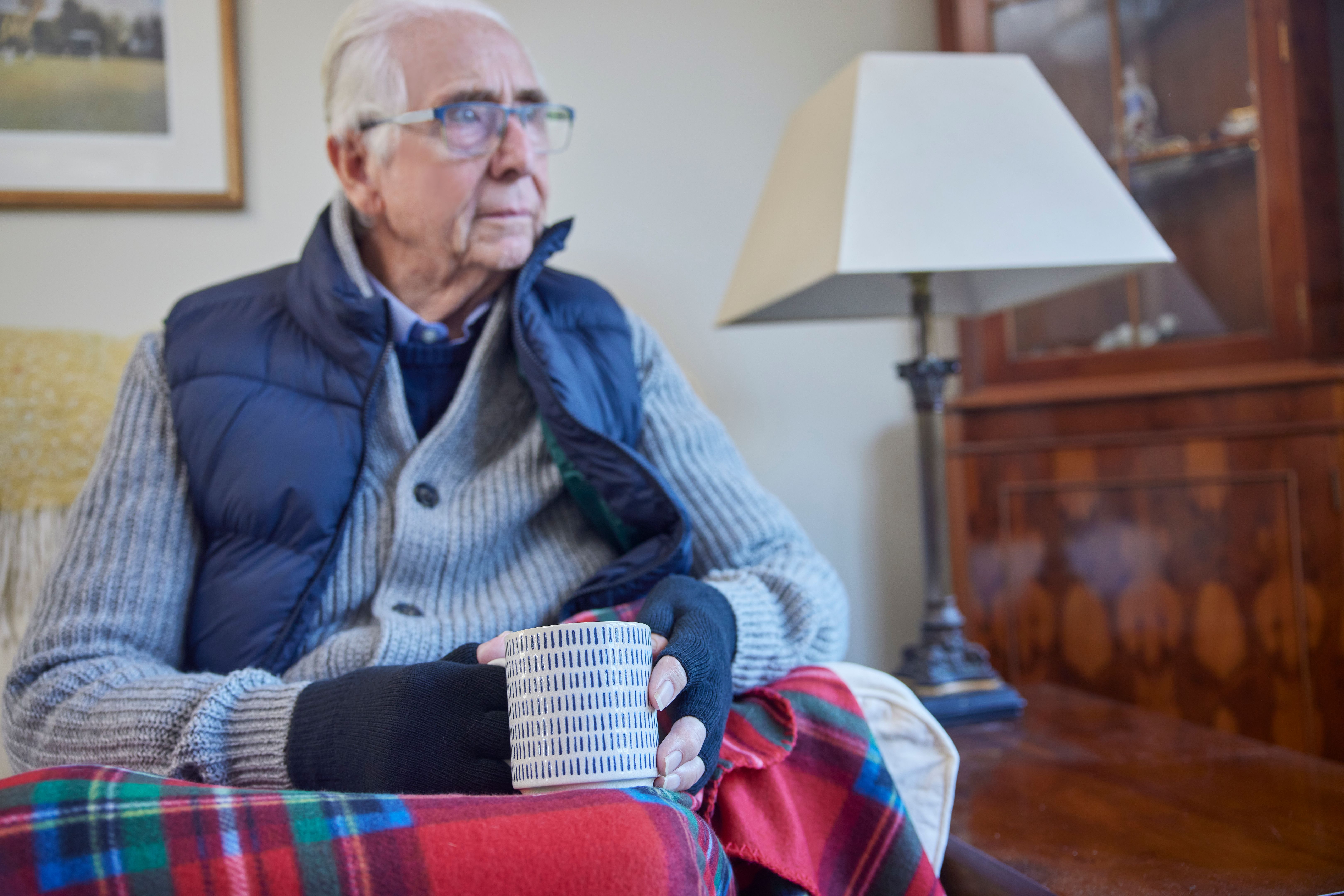
Wearing appropriate clothing is vital for seniors in winter. Layering is key; it helps in retaining body heat and allows for adjustments based on indoor and outdoor temperatures. Choose warm, breathable fabrics that offer comfort and protection against the cold.
Footwear should provide good traction to prevent slips and falls on icy surfaces. Non-slip soles are a must, and it may be helpful to invest in ice grips that can be attached to shoes for outdoor walks.
Nutrition and Hydration
Proper nutrition is essential for maintaining health during the winter months. Ensure that the pantry is stocked with nutritious, non-perishable foods in case travel becomes difficult. Hot meals can help in keeping the body warm.
Hydration is equally important, even if seniors don't feel as thirsty in colder weather. Encourage regular water intake and include soups and warm beverages to maintain hydration levels.
Emergency Preparedness
Being prepared for emergencies is crucial. Keep a list of emergency contacts handy, including family members, neighbors, and healthcare providers. It’s also wise to have a plan in place for snow removal, whether it's hiring a service or arranging help from neighbors or family.
An emergency kit should include first aid supplies, medications, blankets, and non-perishable food items. Regularly check the expiration dates on these supplies and replace them as needed.
Social Connection
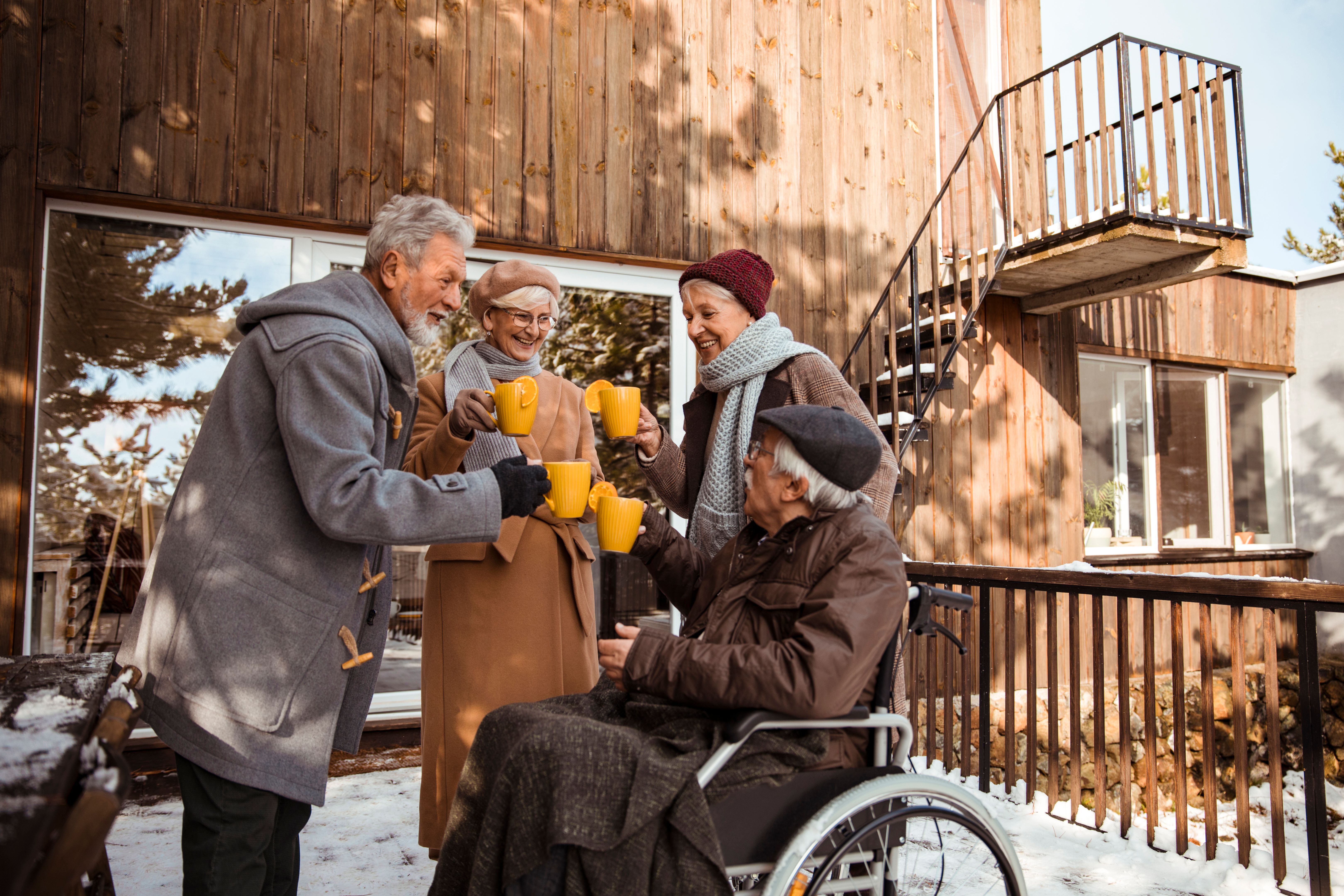
Winter can lead to feelings of isolation, especially for seniors living alone. Encourage regular check-ins with family and friends, whether through phone calls or video chats. Consider community programs that offer social activities for seniors.
By taking these steps, we can ensure that seniors remain safe, comfortable, and connected during the winter months. Proactive planning and attention to detail can make all the difference in navigating the challenges of the season.